Smart storage ideas that make a small home feel bigger
Well-planned built-in storage can feel like gaining an extra room. These ideas free up floor space without making your home feel boxed in.
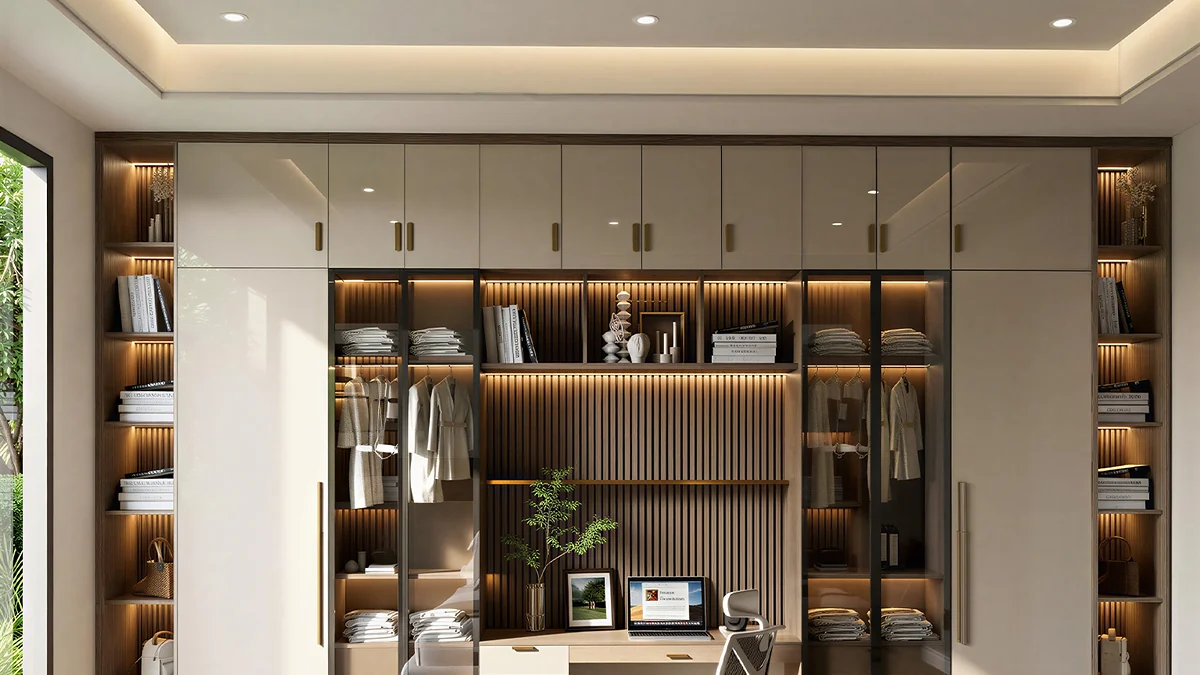
In a small home, clutter isn’t just untidy — it makes rooms feel smaller than they really are. The answer usually isn’t more furniture but better storage: built into the walls, making use of spaces you already have, and designed so the room still feels open. These are the ideas that make the biggest difference.
Go floor to ceiling
Freestanding furniture stops short of the ceiling and leaves gaps at the sides. Built-in storage that runs floor to ceiling and wall to wall uses every centimetre and, done well, actually makes a room look taller. Keep everyday things in the middle and use the high cupboards for what you need only a few times a year.
Use the dead spaces
Most homes have areas that do nothing at all:
- Under the stairs — pull-out drawers on runners make the whole depth usable for shoes, coats and the vacuum cleaner.
- Above doors — a shallow shelf or cupboard over a doorway holds books or spare bedding without anyone noticing.
- Around the bed — wardrobes either side, bridged by cupboards above, create a cosy built-in headboard wall.
- Alcoves — shelving or cupboards in the recesses beside a chimney breast turn awkward spaces into features.
- Eaves — drawers that follow the slope of the roof make low spaces accessible.
Lift things off the floor
The more floor you can see, the bigger a room feels. Wall-hung units, floating shelves, wall-mounted desks and bedside tables all reveal the floor beneath them. A soft strip of light under a floating unit adds to the effect and makes the furniture feel lighter still.
Make furniture work twice
- A hallway bench with shoe storage inside.
- A bed with drawers or a lift-up base.
- A window seat that doubles as a toy box or blanket chest.
- A dining banquette with storage beneath the seats.
- A desk that folds away into a cupboard when the working day ends.
Decide what goes where first. Before designing any storage, list what it needs to hold. Cupboards planned for specific things — shoes, files, the vacuum, linen — are far more useful than generic shelves.
Keep it light and calm
A lot of storage can feel heavy if it isn’t handled with care. A few principles help:
- Choose door colours close to the wall colour, so storage melts into the room.
- Go handleless, or use slim handles, to keep surfaces calm.
- Mix closed cupboards with a few open or glass sections to break up long runs.
- Light open shelves from within to add depth.
Think about the whole home
Storage works best when it’s planned across the home rather than room by room. A hallway with space for coats and shoes stops clutter spreading into the living room; a well-planned wardrobe frees up the space under the bed. Walk through your daily routine and note where things pile up — that’s where storage will make the biggest difference.
A small home can feel generous when everything has a place. Use the full height of the walls, unlock the dead spaces and keep the finishes calm — and you’ll gain space without moving house.
Keep reading
-
 Living Spaces
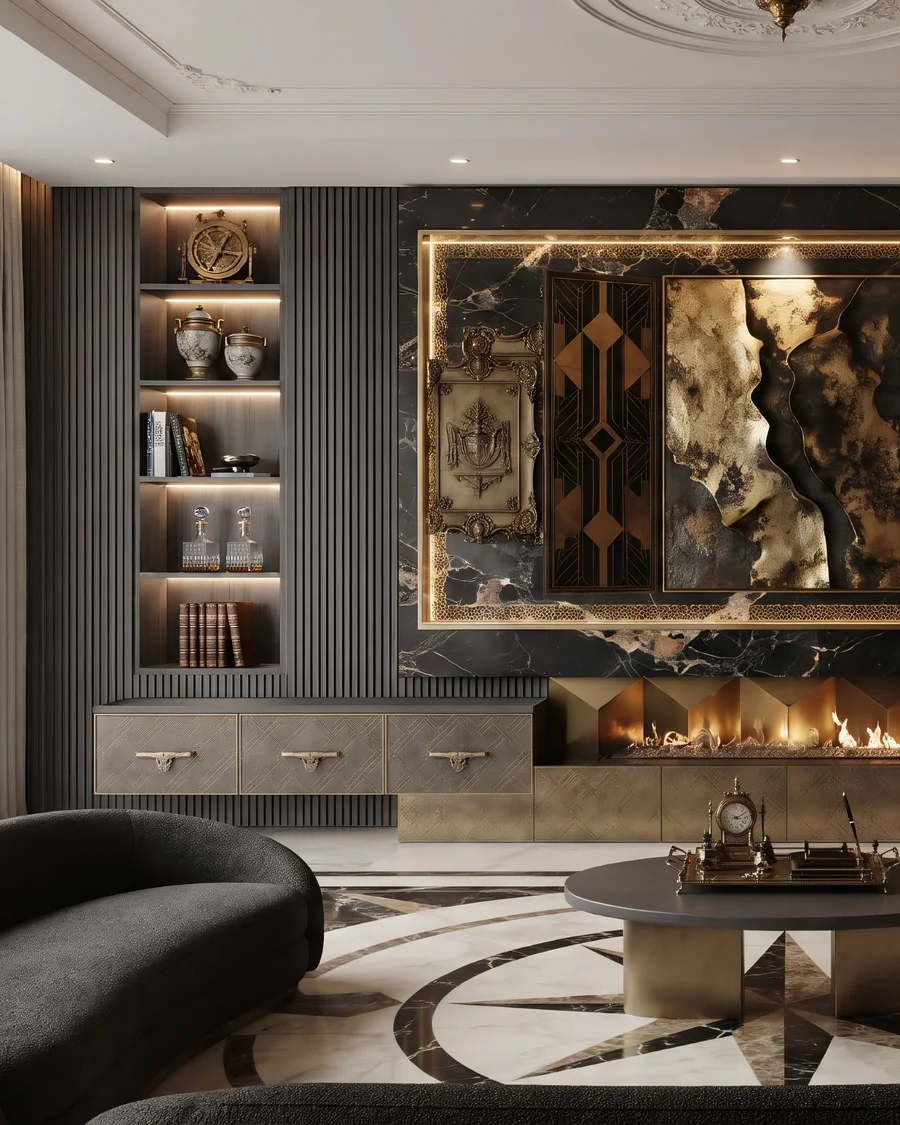
Alcove units and display shelving: built-ins that make a living room
Fitted shelving gives a living room character and storage. How to plan alcove units and display shelves that look considered, not cluttered.
4 min read Read article -
 Living Spaces
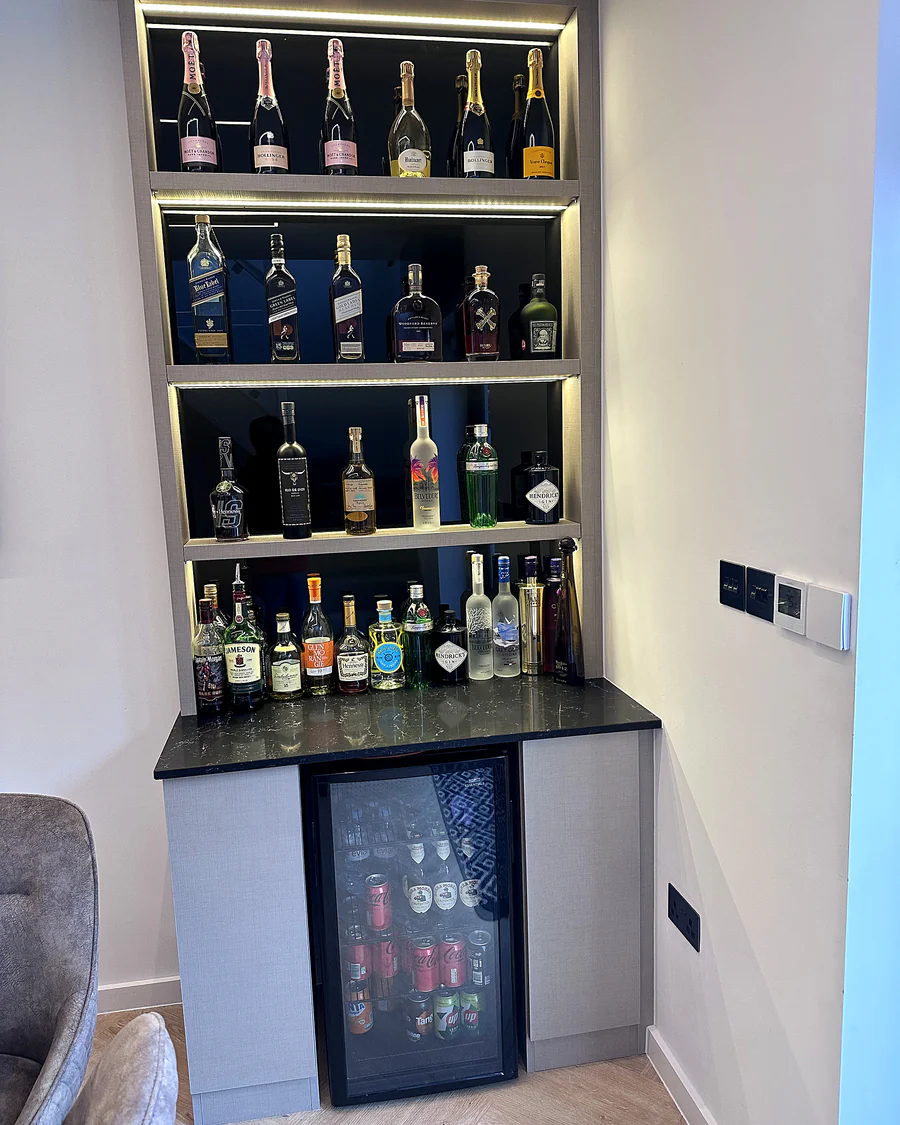
Home bars and drinks cabinets: planning a bar that fits your home
A built-in home bar doesn’t need a basement. How to plan the space, storage and lighting for a bar that feels made for your room.
4 min read Read article -
 Living Spaces
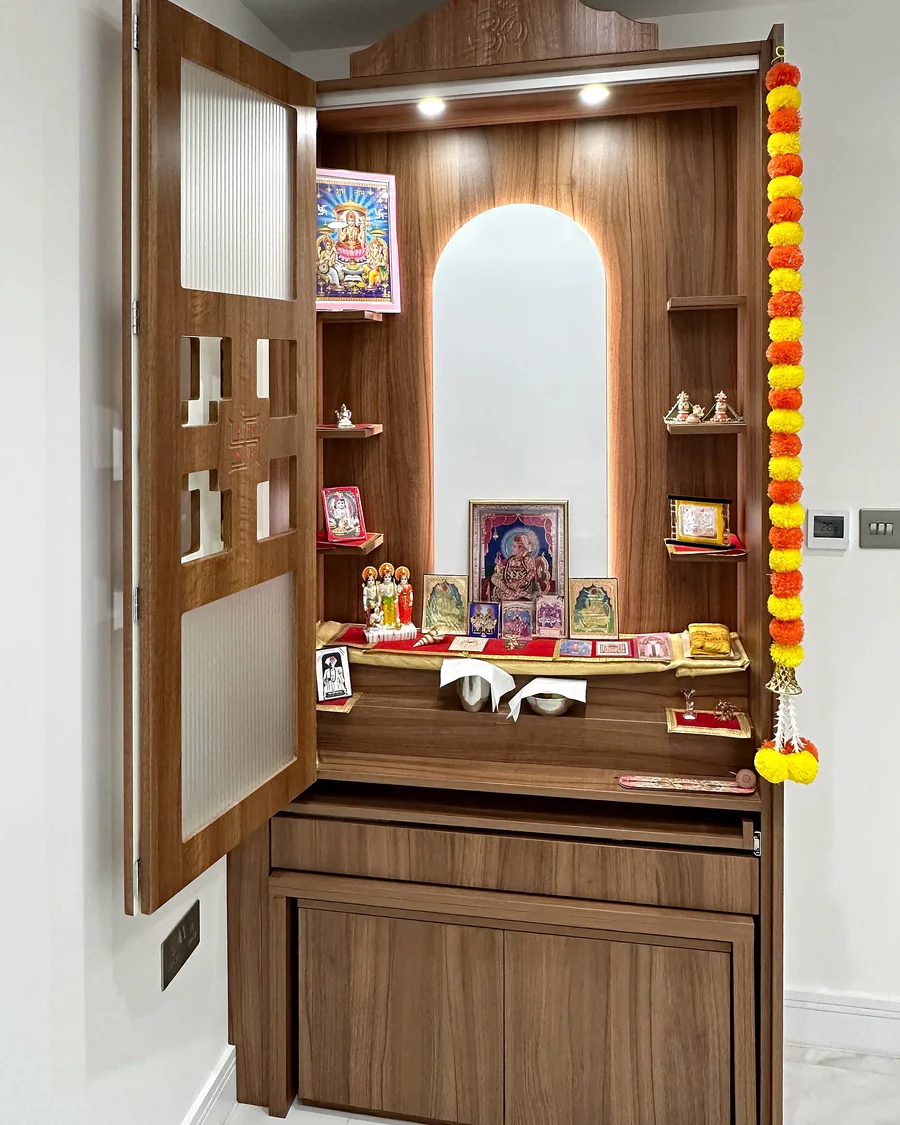
Designing a mandir for your home: space, materials and lighting
A home mandir is a place of calm at the heart of family life. How to choose where it goes, plan its storage and light it with care.
4 min read Read article