Alcove units and display shelving: built-ins that make a living room
Fitted shelving and cabinets give a living room character, storage and focus. Here’s how to plan them so they look considered rather than cluttered.
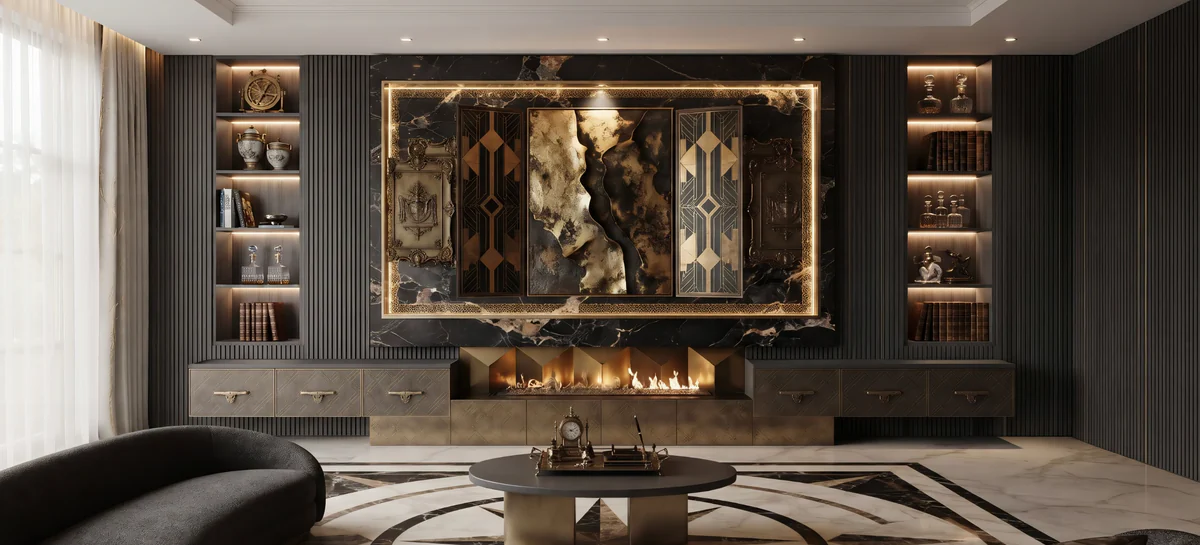
Built-in shelving is one of the simplest ways to give a living room character. It frames a fireplace or TV, makes awkward alcoves useful and gives you somewhere to display the things you love. It’s also easy to get wrong — too shallow, too crowded or out of proportion with the room. Here’s how to plan it well.
Start with the classic alcove unit
It’s the most popular design for good reason: closed cupboards at the bottom, open shelves above. The cupboards hide everyday clutter — games, chargers, paperwork, toys — while the shelves are kept for books and objects. The cupboard top becomes a handy surface for lamps and photographs.
- Base cupboards: usually 35–45cm deep, depending on the alcove and what you’ll store.
- Shelves above: 25–30cm deep for books and objects. Setting them back a little from the cupboard front makes the unit feel lighter.
- Height of the base: around 75–90cm often works well — line it up with a window sill or dado rail if you have one.
Proportions matter
Good shelving feels balanced. Space the shelves slightly closer together towards the top, mirroring the way the eye reads a wall. Avoid making every gap the same: a few taller spaces for large books or vases give you flexibility. Thicker shelves, around 30–40mm, look more substantial and are far less likely to bow under the weight of books.
Plan the details
- Scribing. Older walls are rarely straight. Panels scribed to the wall give a seamless fit with no gaps.
- Door style. Flat, Shaker or panelled fronts should suit the house and the rest of the room.
- Handles. Push-to-open catches keep the look clean; small knobs add a crafted touch.
- Power. Plan sockets inside cupboards for routers, chargers and speakers, with holes for cables to pass through.
- Ventilation. If cupboards house electronics, let the air circulate so nothing overheats.
Light it up
Lighting turns shelving into a feature. Slim LED strips set into the underside of each shelf, or along the sides, cast a soft glow over books and objects in the evening. Choose warm white light and make sure the strips are recessed, so you see the light rather than the LEDs. On a dimmer, the shelving becomes a gentle background light for the whole room.
Style with space. Group objects in threes, mix books standing and lying flat, and leave gaps. Shelves about two-thirds full look curated; full shelves look like storage.
Beyond the alcove
The same principles work elsewhere: a wall of shelving framing a doorway, a room divider that’s open from both sides, a window seat flanked by bookcases, or a glass-fronted display cabinet for collections you want to keep dust-free. In open-plan spaces, an open shelving unit can define the living area without blocking the light.
Thoughtful built-ins make a living room feel finished. Balance closed and open storage, get the proportions right, plan for power and lighting — and leave room for the things you love.
Keep reading
-
 Living Spaces
Smart storage ideas that make a small home feel bigger
Well-planned built-in storage can feel like gaining an extra room. These ideas free up floor space without making your home feel boxed in.
4 min read Read article -
 Living Spaces
Home bars and drinks cabinets: planning a bar that fits your home
A built-in home bar doesn’t need a basement. How to plan the space, storage and lighting for a bar that feels made for your room.
4 min read Read article -
 Living Spaces
Designing a mandir for your home: space, materials and lighting
A home mandir is a place of calm at the heart of family life. How to choose where it goes, plan its storage and light it with care.
4 min read Read article